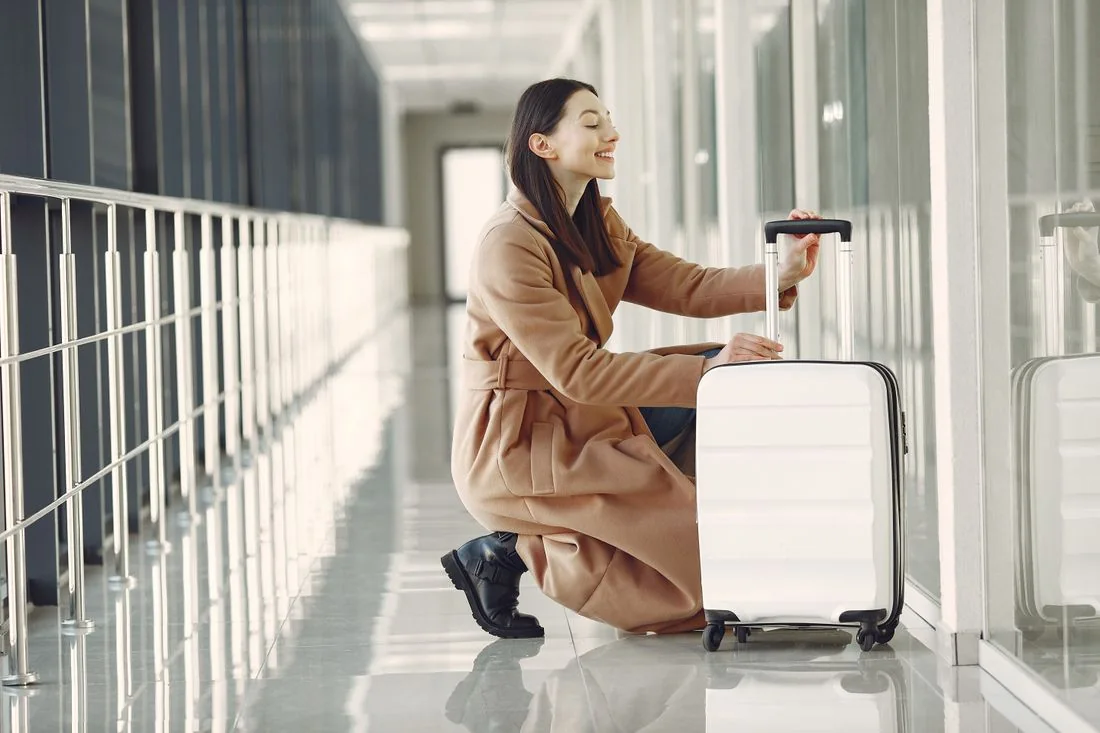
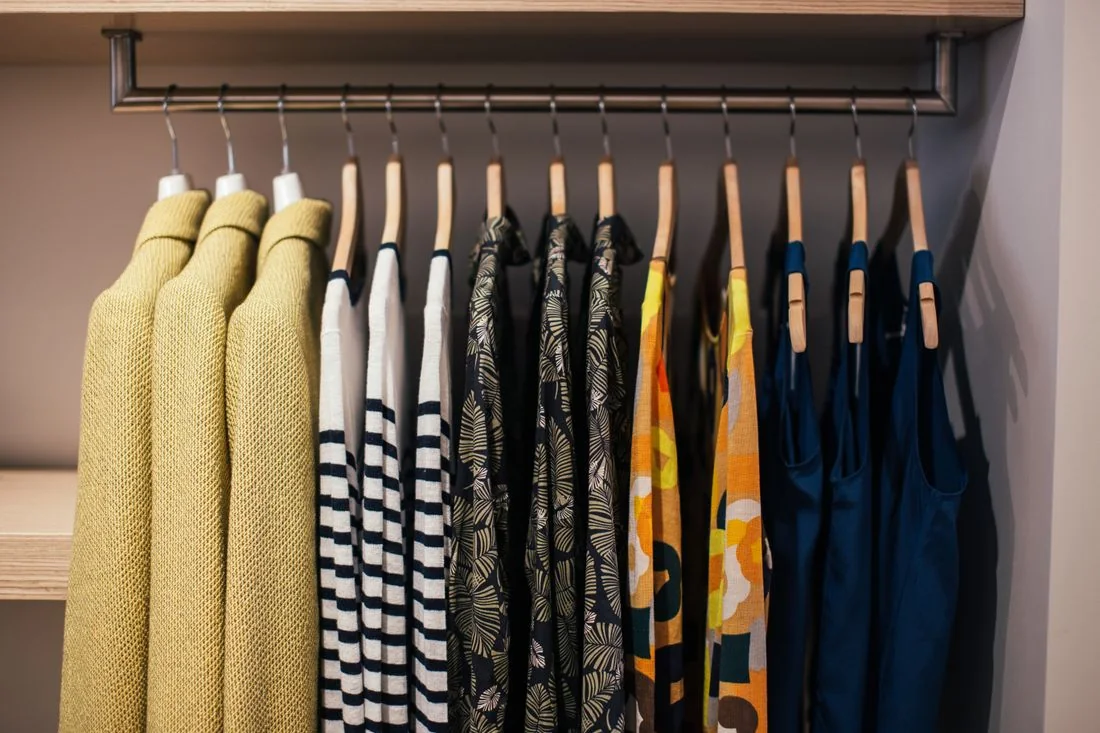
Packing fewer clothes works best when the pieces match your actual itinerary. This five-day city capsule starts with walking, weather, and one evening plan, then shows how to combine tops, bottoms, layers, and shoes without relying on an unrealistic promise that everything goes with everything.
Inside this guide
Count activities before garments
Write down five days as mornings, afternoons, and evenings. A train journey, a museum visit, and a casual dinner can usually share one base outfit; a formal event may need its own piece. That distinction prevents the common mistake of packing a separate look for every photograph. Check the forecast close to departure and the expected indoor temperatures where possible. A city break with substantial walking needs a different wardrobe from a taxi-based weekend with evening bookings. Set aside clothes for your travel days too, and include anything you need to wear while laundry is drying if washing is part of the plan.
Build around two bottoms
Two dependable bottoms often provide a workable starting point for five days, although spills, climate, and your comfort with rewearing can change the number. Choose different functions: trousers for walking and dinner, plus jeans, a skirt, or a lighter trouser appropriate to the weather. Both should work with your main walking shoe. Lay them beside the tops you intend to bring and make real outfits rather than assuming neighboring colors will combine. If one bottom needs a different belt, special underwear, and a third pair of shoes, it may cost more luggage space than its usefulness justifies.
Give tops distinct jobs
Use a few tops with different roles: a comfortable base for the travel day, an easy daytime top, and a piece that feels a little more polished for dinner. A shirt can serve as a top or an open layer, while a fine knit may be more useful in a cooler forecast. The point is not a fixed number but enough clean options for your habits. People who prefer a fresh top every day should pack accordingly rather than forcing an uncomfortable capsule rule. Include sleepwear, underwear, socks, and any activity clothing in the same packing review; they occupy space even when outfit lists overlook them.
Test a small outfit rotation
Try a sequence at home: travel trousers and a tee on arrival, the second bottom and shirt for a walking day, then the first trousers with a dressier top at dinner. Photograph each outfit quickly so you can spot a missing layer or shoe mismatch. Choose an outer layer that covers the coldest planned period and a smaller one that works indoors. If rain is likely, weather protection belongs in the capsule even if it is less visually exciting. One proven walking shoe and an optional compact evening shoe usually deserve consideration before a third decorative pair.
Buy only what fails the rehearsal
Everlane and Quince are places to compare current everyday clothing when a specific gap emerges. Search for the function, such as a washable top that works under your jacket, rather than for an entire travel wardrobe. Compare garment measurements with something you own, and examine care requirements before imagining a hotel-sink laundry routine. Some items need drying space or cleaning arrangements that your accommodation will not provide. Leave enough room to close the suitcase without crushing every piece, and keep a small buffer for the return journey. A capsule succeeds when getting dressed is easier and the bag is manageable, not when its contents meet an arbitrary count.
The shopping shortlist
Compare these starting points against your own itinerary and wardrobe. Check the current listing, materials, measurements, delivery dates and return terms before ordering.
| Starting point | Best reason to consider it | Think twice if… |
|---|---|---|
| Versatile everyday separates | Compare trousers and tops against the outfit combinations you have already planned. | A neutral item still needs the right fit and length to work with your shoes. |
| Lightweight shirt or knit layer | A second-use layer can bridge a cool morning and a restaurant evening. | A fine fabric may demand more careful washing than your itinerary allows. |
Versatile everyday separates
Compare trousers and tops against the outfit combinations you have already planned.
The tradeoff: A neutral item still needs the right fit and length to work with your shoes.
Explore EverlaneLightweight shirt or knit layer
A second-use layer can bridge a cool morning and a restaurant evening.
The tradeoff: A fine fabric may demand more careful washing than your itinerary allows.
Explore QuinceA few useful answers
Do I need one outfit for each day?
Not necessarily. Plan clean base layers according to your preferences and reuse suitable outer pieces when practical. Heat, strenuous activity, and limited laundry can require more clothing.
Is a dress essential?
Only if you enjoy wearing one or the itinerary calls for it. Trousers and a polished top can cover many dinners; a dress is useful when it creates extra outfits without requiring extra accessories.
Sources & further reading
Official resources checked October 7, 2026. Availability and policies can change. Our outfit and packing suggestions are editorial guidance, not claims of hands-on testing.